









A kitchen isn't just a workspace—it's where health begins. With the rise of food safety awareness and sustainability, choosing the safest cooking utensils and tableware has never been more important. The materials we use to prepare meals can impact both our health and the environment. From hidden chemicals in everyday tools to eco-friendly alternatives like Wooden cutting boards, bamboo, and stainless steel, here's a comprehensive guide to selecting the safest cooking utensils for your kitchen.
This comprehensive guide will explore how to choose the safest cooking utensils, examining materials from food-grade silicone cooking utensils to sustainable wood options. We'll help you make informed decisions that protect your health, enhance your cooking experience, and support environmental responsibility—essential considerations for any modern kitchen operation.
The Hidden Risks in Common Kitchen Utensils
The Threat of Chemical Exposure
Many traditional utensils harbor invisible dangers, especially when exposed to heat or acidic ingredients. Harmful chemicals—like flame retardants and microplastics—can leach into your food from certain materials. This silent risk highlights the importance of choosing the safest cooking utensils for your everyday needs, ensuring your meals remain free from unwanted contaminants.
Hazardous Materials to Avoid
- Black Plastic Utensils
These seemingly practical tools often contain toxic flame retardants like deca-BDE, which can contaminate food during cooking. Even recycled plastics can introduce harmful substances, making plastic utensils an unwise choice for health-conscious cooks.
- BPA (Bisphenol A) and Substitute Chemicals
While "BPA-free" may seem like a reassuring label, many manufacturers replace BPA with similar, untested chemicals, which could disrupt hormones and pose long-term health risks, especially when exposed to high temperatures.
- PFAS (Perfluoroalkyl and Polyfluoroalkyl Substances)
Found in some nonstick cookware, PFAS are nearly impossible to break down, accumulating in both the environment and the human body. Their presence is a reason to critically assess the tools in your cooking arsenal.
Temperature Dangers
Certain synthetic materials, like nylon, fail to hold up under heat. With melting points around 400°F, they can deteriorate during normal use, releasing toxins and degrading food quality. When choosing the safest cooking utensils, opt for materials specifically designed to handle high temperatures without compromising your health or the quality of your food.
Materials You Can Trust
Not all utensils are created equal. Wondering which cooking utensil material is best for health? Here are the materials you can rely on for a healthier kitchen.
Food-Grade Silicone
Food-grade silicone cooking utensils are a modern go-to, but many ask, are silicone utensils safe? Certified by the FDA, silicone is prized for its heat resistance and non-reactive nature, making it ideal for cookware. However, quality is key. To avoid fillers, perform a simple pinch test—if the silicone turns white when bent, it likely contains additives.
Benefits of Food-Grade Silicone:
- Heat-resistant up to 428°F or more
- Flexible and nonstick
- Safe for coated cookware
- Dishwasher-safe for easy maintenance
Stainless Steel
A timeless choice, stainless steel offers unmatched durability and versatility, making it one of the safest cooking utensils you can use. Completely recyclable and non-toxic, it maintains its integrity under high heat and doesn’t leach chemicals into your food. However, it's best paired with nonstick cookware alternatives since metal tools can scratch delicate surfaces.
Key Advantages:
- Long-lasting and eco-friendly
- Non-reactive with food
- Easy to clean and sanitize
Sustainably Sourced Wood and Bamboo
Wooden and bamboo utensils are among the safest cooking utensils, adding charm and sustainability to your kitchen. Known for their natural antimicrobial properties, these tools are gentle on cookware and environmentally friendly. Bamboo, in particular, is a rapidly renewable resource, offering both durability and eco-friendliness, making it a top choice for green cooking utensils and the safest cooking utensils.
Main Benefits:
- Sustainable option for eco-conscious cooks.
- Grows quickly and requires minimal pesticides or fertilizers.
- With care, bamboo is durable and long-lasting.
What to Avoid
Plastic and Nylon
Plastic utensils, especially black plastic, should be left off your shopping list. Are nylon spatulas safe? While they are less risky than other plastics, their lower heat tolerance makes them unsuitable for high-temperature cooking. Over time, plastic utensils, including nylon spatulas, also contribute to microplastic pollution, adding to their environmental impact.
Low-Quality Silicone
Not all silicone products are equally safe. Many include fillers that could leach chemicals into your food. Be discerning when choosing silicone tools to ensure their safety and durability.
Practical Tips for Choosing Utensils
Shopping smart for utensils doesn't have to feel overwhelming. Here are straightforward strategies for choosing the safest cooking utensils for your kitchen:
- Look for Certifications: Seek out products, like a non-toxic spatula, certified as food-safe by the FDA or similar organizations to ensure they meet high-quality standards.
- Conduct Physical Tests: For silicone items, perform the pinch test to check for fillers. High-quality silicone remains consistent in color and texture when bending.
- Prioritize Temperature Range: Select tools designed to withstand typical cooking temperatures, especially if you frequently cook at high heat. Stainless steel and silicone are reliable options.
- Consider Longevity: Investing in durable, high-quality utensils not only saves money over time but also reduces waste.
Kitchen Maintenance and Care
Treating your utensils well extends their life while preserving their safety, ensuring you always use the safest cooking utensils.
- Proper Cleaning
Wash non-toxic cooking utensils dishwasher safe stainless steel and silicone tools in the dishwasher or by hand using non-abrasive cleaners. Wooden utensils, however, should be hand-washed to prevent cracking or warping.
- Storage
Keep utensils dry and organized to avoid bacterial growth, particularly with wood, which can absorb moisture more easily.
- Regular Inspections
Replace worn or damaged items promptly to maintain a safe cooking environment and ensure you’re always using the safest cooking utensils.
Building Your Essential Collection
A thoughtfully curated kitchen toolbox simplifies cooking while prioritizing health and sustainability. Here’s what every safe and eco-conscious kitchen needs to include for healthy cooking utensils for better preparation:
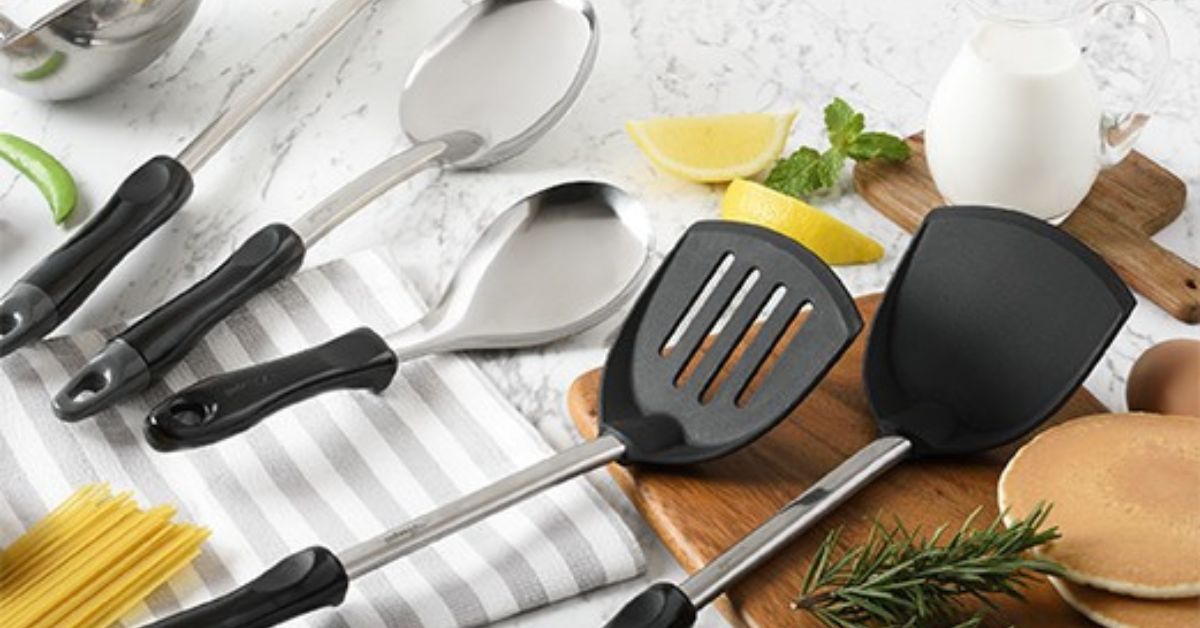
- Food-grade silicone spatulas for their flexibility and nonstick compatibility.
- Premium non-stick cookware set featuring durable pots and pans
- Stainless steel serving spoons and tongs for high-heat durability.
- Handcrafted wooden utensils for sautéing, stirring, and gentle preparation tasks.
- Use glass or stainless steel mixing bowls to eliminate the risk of plastic contamination.
- A bamboo tray for serving meals with style and sustainability.
- An eco-friendly lunch box or tiffin for packing healthy meals on the go.
- Durable Coffee mugs and stainless steel pitchers for beverages.
- Oceantableware plates as a modern and eco-friendly option for your dining table.
Elevate Your Kitchen for a Brighter Future
By reconsidering the tools we use, we not only create safer meals but also foster a sense of harmony with the world around us. Whether investing in the lasting elegance of stainless steel, enjoying the earthy charm of bamboo, or incorporating silicone’s modern convenience, you can reshape your kitchen experience with tools that align with your values.
The quest for the safest cooking utensils is more than just a personal choice—it’s a commitment to health, sustainability, and exceptional culinary creations. Start small, adapt mindfully, and revel in the satisfaction of a kitchen that cares for your well-being and the environment alike.
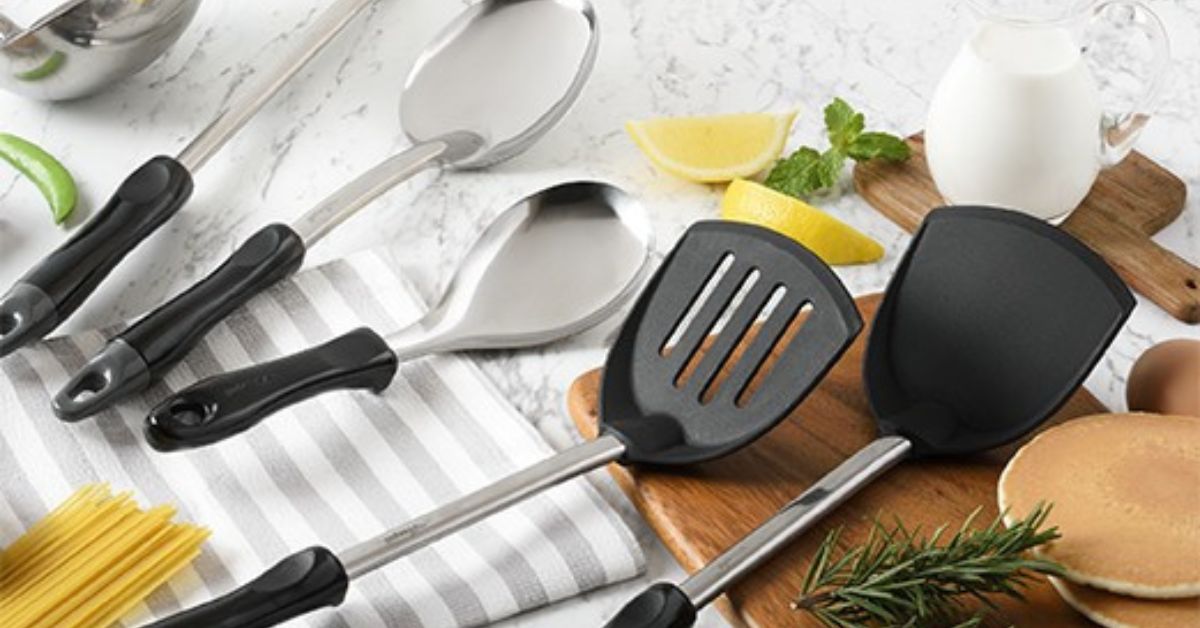
Premium Pots and Kitchen Equipment from Oceantableware
Oceantableware specializes in premium kitchenware, offering a range of premium pots, pans, knives, other kitchen equipment, glassware, and more. With 38 years of industry expertise, we collaborate with global brands to provide high-quality, innovative solutions for hotels, restaurants, catering services, and organizations. Whether it’s for everyday operations or special events, Oceantableware has everything you need to elevate your service. As a leading distributor in Asia, Ocean Glass supplies premium kitchenware, from precision knives to sophisticated glassware, to over 90 countries worldwide.
For all your restaurant needs, from storage to kitchen equipment, reach out to us.
LINE: @oceanonline
Tel: 062-390-0075
Email: CS@oceanglass.com