








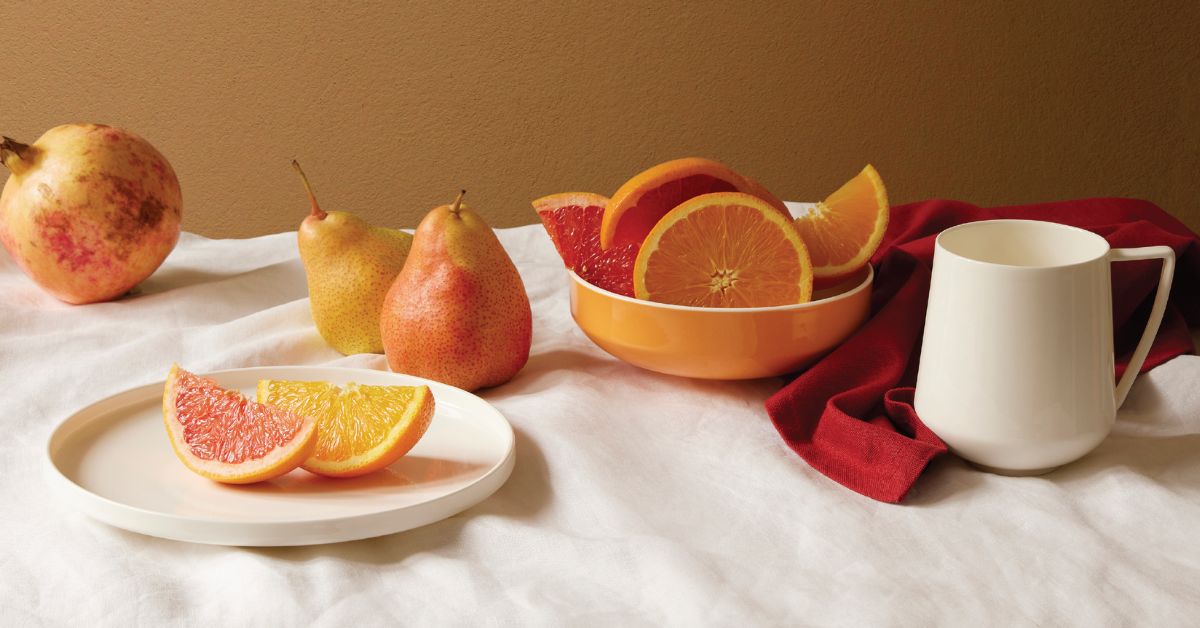
Restaurant success hinges on countless details, but few elements impact both customer perception and operational efficiency quite like your choice of dinner plate. The right tableware selection can elevate food presentation, streamline service workflows, and ultimately enhance your bottom line through improved customer satisfaction and operational cost management.
This comprehensive guide explores everything from essential plate specifications to complete tableware integration systems, focusing on the intricate balance between functionality, aesthetics, and durability that defines successful restaurant operations.
Dinner Plate Essentials Guide
Standard Dinner Plate Size Requirements
The standard dinner plate size for commercial restaurants typically ranges from 10 to 12 inches in diameter. This sizing isn't arbitrary—it directly impacts portion presentation, operational efficiency, and customer satisfaction.
The average dinner plate size varies significantly across different restaurant categories:
- Fine dining establishments: 11-12 inches, providing ample space for artistic food presentation and proper portion spacing.
- Casual dining restaurants: 10-11 inches, balancing presentation needs with practical table space considerations.
- Fast-casual operations: 9-10 inches, optimizing for quick service and efficient table turnover.
Understanding proper sizing delivers substantial portion control benefits. Larger plates can make smaller portions appear inadequate, while appropriately sized plates create visual satisfaction that enhances the dining experience and supports consistent food cost management.
Ceramic Dinner Plate Advantages
Ceramic dinner plates offer compelling advantages for restaurant operations. Superior heat retention ensures hot food service maintains optimal temperature longer, crucial for multi-course meals and busy service periods. The material's scratch resistance withstands the rigorous demands of high-volume commercial use, while maintaining its professional appearance through countless wash cycles.
Ceramic plates also provide the substantial weight and refined appearance that customers associate with quality dining experiences. Their microwave and dishwasher safety streamlines kitchen operations, allowing for efficient reheating and cleaning protocols. Durability testing consistently demonstrates ceramic's superior performance compared to alternatives like melamine or basic stoneware.
Vintage Dinner Plate Applications
Vintage dinner plate styling serves specific market niches effectively. Themed restaurants, boutique establishments, and venues targeting nostalgic atmospheres can leverage vintage aesthetics for powerful brand differentiation. However, successful implementation requires a careful balance between visual appeal and practical functionality.
When incorporating vintage styles, ensure pieces meet modern durability standards and dishwasher compatibility. The charm of vintage design shouldn't compromise operational efficiency or food safety protocols.
Deep Plate Functionality
What is a deep plate used for? In professional restaurant settings, it extends far beyond simple soup service. Deep plates excel for pasta presentations, saucy dishes, stews, and any cuisine requiring liquid containment. Their bowl-like construction prevents spillage while maintaining elegant presentation standards.
Depth specifications should typically align with your menu offerings. Asian cuisines often benefit from deeper profiles (approximately 2-3 inches), while Mediterranean and American menus generally require moderate depth (around 1.5-2 inches) for optimal sauce presentation and customer comfort.
Building Dinnerware Collections
Dishes Set Coordination Strategy
Effective dish set planning begins with accurate capacity calculations—base requirements on your seating capacity, but factor in rush hour demands and normal service variations. Industry standards recommend maintaining 20-30% backup inventory to ensure seamless service during peak periods and account for breakage replacement.
Consider your service style when calculating quantities. Table service restaurants require different ratios compared to buffet operations, and fine dining establishments need additional pieces for multi-course presentations.
Dinnerware Integration Systems
A strategic dinnerware collection requires systematic coordination across all service elements. Your plate sizes must harmonize with menu offerings—oversized plates waste space and create awkward presentations, while undersized options compromise food presentation and customer satisfaction.
Color and design consistency across service styles creates cohesive brand experiences. Staff training becomes more effective when plate handling and presentation protocols remain consistent across your entire collection.
Material Considerations for Commercial Use
Material selection impacts both operational costs and customer experience. From ceramic, porcelain, and melamine, each offers distinct advantages:
- Ceramic: Excellent durability-to-cost ratio, suitable for most restaurant applications
- Porcelain: Superior refinement and chip resistance, ideal for upscale establishments
- Melamine: Lightweight and break-resistant, perfect for outdoor or high-turnover environments
Weight considerations affect staff ergonomics during busy service periods, while temperature retention properties influence food presentation quality throughout the meal experience.
Plate Variety Requirements
Complete restaurant operations require diverse plate options:
- Appetizer plates (6-8 inches): Essential for starter courses and shared dishes
- Main course plates (10-12 inches): Your primary workhorse for entree presentations
- Dessert plates (7-8 inches): Perfectly proportioned for sweet course presentations
- Specialty requirements: Vary by cuisine type. Italian restaurants need pasta-specific bowls, while Asian establishments would require rice bowls and small plates for family-style service.
Complete Tableware Integration
Beverage Service Equipment
Professional pitcher selection enhances beverage program efficiency and presentation. Water pitchers require easy-pour designs and appropriate capacity (32-64 ounces) for table service efficiency. Specialty beverage presentations benefit from dedicated vessels—juice pitchers, coffee carafes, and wine decanters each serve specific operational needs.
Material choices between glass, ceramic, and stainless steel should align with your overall aesthetic while prioritizing durability and cleaning efficiency.
Service Enhancement Tools
Efficient tray systems significantly impact operational productivity. Server tray specifications should balance carrying capacity with ergonomic comfort—typically ranging from 12-18 inch specifications for table service applications. Non-slip surfaces and easy-clean features reduce accidents and streamline cleaning protocols.
Food delivery and busing efficiency improve dramatically with properly sized trays that accommodate your standard plate configurations without overcrowding or instability.
Coffee Program Essentials
Restaurant coffee mug requirements extend beyond simple beverage service. Size standards typically range from 8-12 ounces, accommodating different coffee styles from espresso to American coffee preparations. Handle design must prioritize comfort and safety during busy service periods.
Heat retention properties directly impact customer satisfaction—ceramic and porcelain mugs maintain beverage temperature longer than alternatives, enhancing the overall dining experience.
Kitchen Preparation Integration
Wooden cutting board integration supports modern plate presentation trends. Board-to-plate serving concepts create rustic, artisanal presentations that resonate with contemporary diners. However, food safety and maintenance standards require careful attention to prevent cross-contamination and ensure consistent sanitization.
Consider dedicated serving boards that complement your plate collection while maintaining strict food safety protocols.
Tableware Ecosystem Benefits
Complete tableware system integration delivers measurable operational advantages. Streamlined ordering and inventory management reduce administrative burden while ensuring consistent availability. Bulk purchasing through coordinated systems typically yields significant cost savings compared to piecemeal procurement.
Staff training simplification occurs when handling procedures remain consistent across all tableware elements, reducing errors and improving service speed.
Operational Equipment Integration
- Kitchen-to-Table Coordination:
- Use strategic pot selection for seamless hot plate service.
- Match cast iron and ceramic cookware to plate specifications for better presentation.
- Ensure cookware and plate temperature alignment for food safety and satisfaction.
- Staff Meal Programs:
- Provide quality lunch box solutions to boost employee satisfaction and morale.
- Generate substantial cost savings compared to external meal programs.
- Use food-grade containers to maintain temperature and prevent contamination.
- Cultural Cuisine Applications:
- Incorporate authentic tiffin containers for cultural authenticity in ethnic cuisines.
- Enhance presentation value for Indian, Thai, and Asian dishes with traditional serving methods.
- Command premium pricing through unique and culturally significant serving systems.
- Operational Efficiency Metrics:
- Reduce dishwashing cycles significantly with coordinated equipment.
- Simplify sanitization with consistent materials and designs.
- Improve staff productivity by streamlining handling and reducing service time.
- Boost customer satisfaction with a professional, coordinated presentation.
Strategic tableware selection directly influences customer satisfaction, operational efficiency, and your restaurant's profitability through enhanced food presentation and coordinated service workflows. Your commitment to quality tableware creates lasting impressions that transform first-time visitors into loyal customers and establish your restaurant as a destination worth returning to repeatedly.
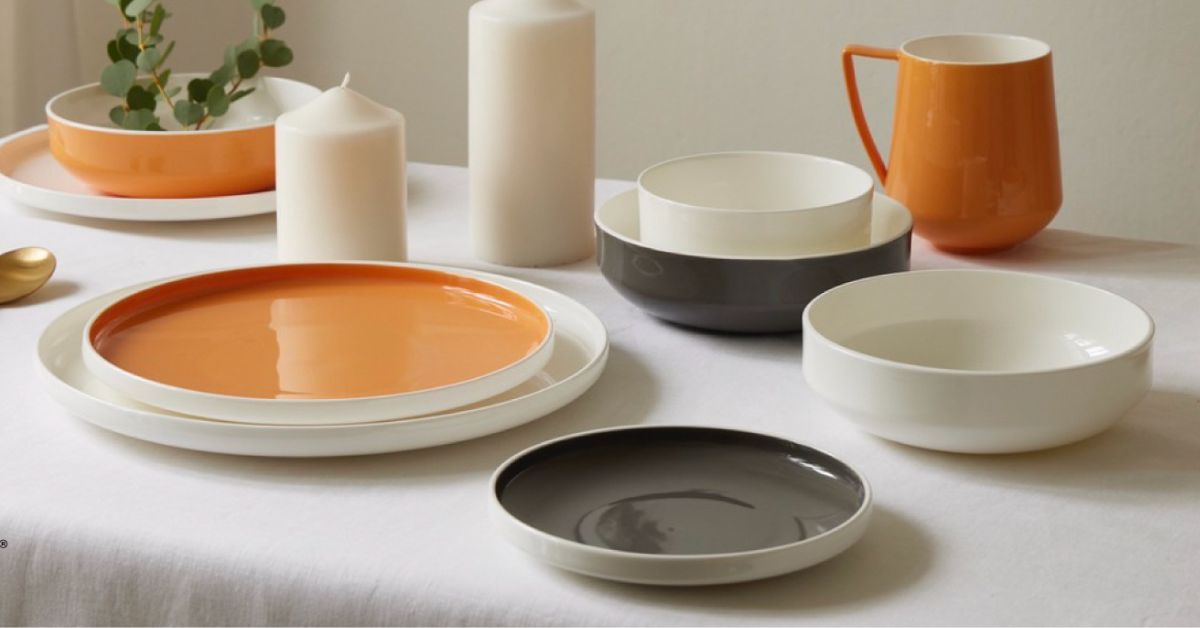
Explore Premium Ceramic Plates with Oceantableware
For those wishing to upgrade their dining experience, oceantableware provides a chosen range of ceramic plates that combine quality, durability, and attractive design. Our comprehensive assortment comprises a variety of designs, colors, and finishes, appropriate for any event. Whether you’re looking for simple designs for daily usage or artisanal masterpieces for special occasions, Oceantableware has the ideal Best Plates to fit your requirements.
For further information:
LINE: @oceanonline
Tel.: 062-390-0075
Email: CS@oceanglass.com