




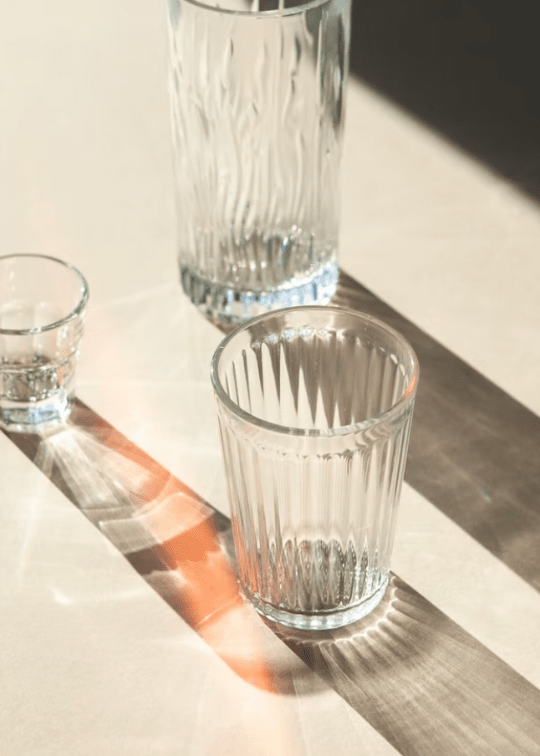



Clean, spotless pitchers are essential to any restaurant’s presentation. From gleaming glass water pitchers at fine dining tables to sturdy carafes for coffee and drinks, pitchers set the tone for hospitality and quality. However, they can develop stains, mineral deposits, and odors that reduce their appeal and compromise sanitation.
This guide covers everything you need on How to clean pitchers, from daily maintenance to advanced cleaning tips for pitchers and carafes. Whether tackling tough tea stains or looking for eco-friendly solutions, these tips will keep your pitchers looking like new.
Why Clean Pitchers Matter for Restaurants
Clean pitchers aren’t just about looks—they reflect a commitment to quality. They keep drinks fresh, demonstrate good hygiene, and leave a strong impression. Regular cleaning also extends their lifespan, reduces waste, and supports sustainability. Knowing how to clean pitchers properly ensures great service and an improved experience for the customer.
Enhancing Presentation
Every detail in the dining experience counts. A water pitcher with unappealing spots or lingering stains can shrink your guests’ impression of your establishment, no matter if your meals taste great. On the other hand, a sparkling pitcher reflects attention to detail and a commitment to quality.
Meeting Health Standards
Unclean pitchers can harbor bacteria, mold, and yeast, especially pitchers with a lid, which are not only unpleasant but also unsafe. Regular cleaning ensures compliance with health codes and provides peace of mind for both staff and customers.
Maximizing Equipment Lifespan
Investing in durable, high-quality pitchers can be a smart, cost-effective choice for restaurants—but only if they’re well-maintained. Knowing how to clean pitchers regularly prevents damage from mineral buildup, discoloration, and etching, ultimately extending the life of your pitchers, and saving you the expense of replacement.
Variety in Materials
Restaurants commonly use pitchers made of glass, plastic, or stainless steel, each requiring specific cleaning care. Whether your establishment uses classic glass pitchers or sleek stainless steel carafes, proper cleaning not only enhances their durability but also preserves their aesthetic appeal.
Common Pitcher Cleaning Challenges
Stains and Buildup
- Tea and Coffee Stains: These stains in glass pitchers can persist even with regular cleaning.
- Mineral Deposits: Mineral water or soda and punch can create chalky surfaces on glass and metal.
- Odor Retention: Plastic pitchers often trap odors, leading to unpleasant smells that linger from previously stored beverages.
Cloudiness and Tarnishing
- Glass pitchers are prone to cloudiness and loss of transparency over time.
- Stainless steel pitchers may show discoloration or tarnishing if not cleaned with the right techniques.
Bacterial Growth
- Poorly maintained pitchers can become breeding grounds for bacteria and mold, especially if stored while damp or not thoroughly cleaned.
How to Clean Pitchers Effectively
Cleaning water Pitcher is key to keeping your water pure, safe, and great tasting. Regularly cleaning your water pitcher prevents harmful pathogens and extends its lifespan, whether it’s glass, stainless steel, or plastic. With the right cleaning routine, your water pitcher will stay in top shape as a reliable kitchen essential. Follow these simple steps on how to clean pitchers to enjoy fresh water every day.
Step 1: Empty and Disassemble the Pitcher
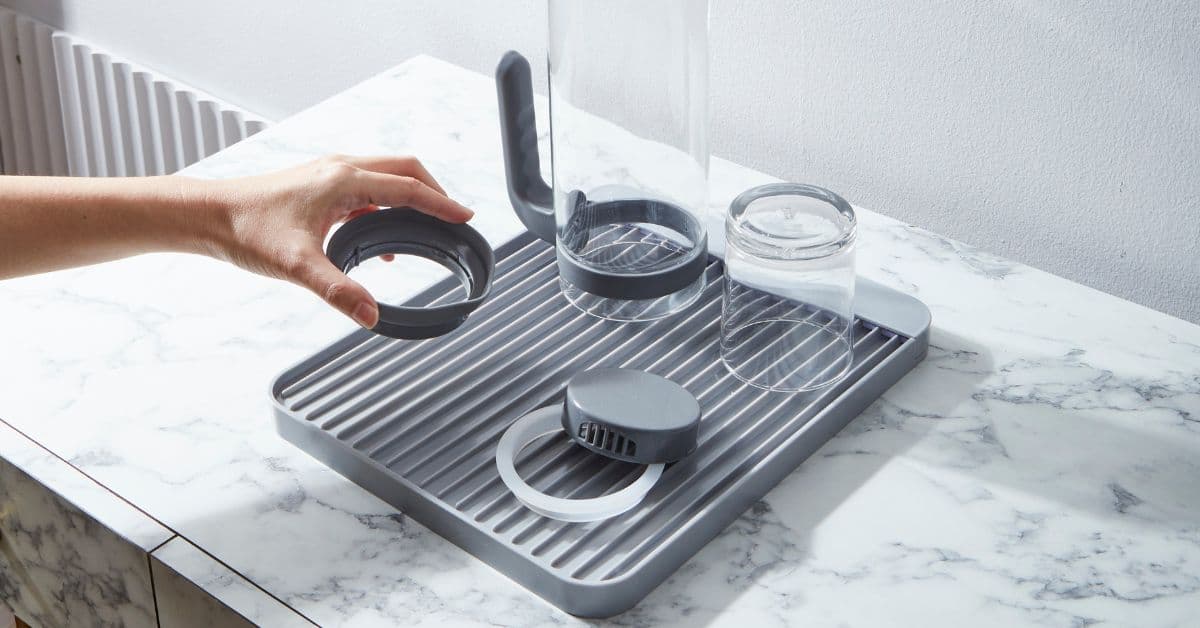
Start by emptying the pitcher completely. Next, carefully disassemble any removable parts, including the lid, spout, or filters, if applicable. This ensures that every component can be thoroughly cleaned for optimal hygiene.
Step 2: Rinse with Warm Water
Rinse all parts under warm running water to remove any leftover residue. This initial rinse makes it easier to clean and prevents debris from sticking during washing.
Step 3: Scrub Gently with a Soft Sponge or Brush
Using a soft sponge or brush, apply a mild detergent designed for food-safe cleaning. Gently scrub all surfaces of the pitcher and its removable parts to remove stains, grease, or buildup without scratching the pitcher.
Step 4: Clean Hard-to-Reach Areas with a Bottle Brush
To clean narrow or hard-to-reach areas, such as spouts or corners, use a bottle brush or a similar tool designed for precision. This helps ensure every tricky spot is thoroughly cleaned, leaving no residue or buildup behind.
Step 5: Rinse Everything Thoroughly
Once scrubbed, rinse all parts thoroughly under warm water to remove any soap residue. Leftover detergent can affect the taste or safety of future use, so ensure everything is completely clean.
Step 6: Air Dry the Pitcher Properly
Place the pitcher and its parts upside down on a drying rack to air dry. This helps prevent water spots, lint, or fibers from sticking inside while ensuring everything dries completely before reassembly.
Maintenance Tips
- Clean pitchers daily and sanitize them weekly, especially in high-turnover establishments.
- For water pitchers with filters, replace the filter per manufacturer recommendations.
How to Remove Tea Stains from Glass Pitchers
Tea-stained glass pitchers are a common frustration in restaurants, as they can leave an unappealing impression on customers and are often difficult to clean. These stains develop over time due to tannins in the tea, which can cling to the glass surface. Here’s how to address them effectively and keep your pitchers looking spotless:
Immediate Rinse Method
Rinse the pitcher with hot water immediately after use to prevent stains from forming and building up over time.
Rub with Baking Soda Scrub
Mix a tablespoon of baking soda with a few drops of water to form a paste. Gently rub the stains with a sponge or brush.
Soak It In Vinegar Solution
Combine equal parts white vinegar and warm water. Pour into the pitcher, allow it to soak for 30 minutes, then scrub and rinse.
Use Commercial Stain Removers
Use a professional-grade glass cleaner specifically designed and approved for food-service items to ensure safe, streak-free cleaning that meets industry standards.
Advanced Cleaning Tips for Pitchers and Carafes
- Tackle Hard Water Deposits: To remove mineral buildup, use white vinegar or a descaling solution. For more stubborn deposits, let the pitcher soak overnight, then rinse thoroughly with clean water.
- Eliminate Cloudiness: Run a mixture of vinegar and baking soda through the pitcher and rinse well to restore clarity.
- Restore Metal Shine: Wipe stainless steel pitchers with a microfiber cloth and a small amount of food-safe polish to keep them shiny like new.
- Odor Removal: For plastic pitchers, soak them in a mix of water and lemon juice or use activated charcoal.
Deep-Clean Hard-to-Reach Areas: Invest in long-handled brushes or brushes designed specifically for carafes and pitchers to easily clean the bottom or corners.

Eco-Friendly Cleaning Solutions for Restaurants
Creating an eco-friendly, luxurious dining experience begins with greener kitchen choices. Using chemical-free, biodegradable cleaners and reusable tools to reduce environmental impact, improve food quality, and highlight your commitment to sustainability. Here are some commonly used alternative materials:
- Vinegar and Baking Soda: Affordable, effective, and eco-friendly; best for removing soap scum, hard water stains, and general grime.
- Lemon Juice: An organic option to cut through grease and odors; ideal for tackling grease stains and deodorizing surfaces.
- Reuse Egg Shells: Crushed egg shells act as a gentle abrasive; great for scrubbing away stubborn coffee or tea stains in mugs and pots.
Selecting Easy-to-Clean Pitchers for Your Restaurant
When selecting pitchers for your restaurant, functionality and ease of maintenance should be at the forefront of your decision. A well-chosen pitcher not only complements your establishment's aesthetic but also streamlines cleaning routines for your staff. With the right choice, your pitchers can be both stylish and practical, elevating your dining experience.
Features to Look For Easy-to-Clean Pitchers
- Smooth interiors: Ensure easier cleaning with a smooth surface that prevents residue from getting trapped and maintains hygiene.
- Heat-resistant and Dishwasher-safe: These options can withstand high temperatures and simplify cleanup after use.
Recommended Materials for Pitchers
- Glass: The best glass pitcher is Ideal for a classy, elegant presentation, perfect for formal settings or showcasing beverages.
- Plastic: Great for lightweight, high-turnover environments like casual eateries or outdoor events, offering durability and convenience.
- Stainless Steel: Known for its durability and excellent temperature retention, making it a reliable choice for both hot and cold drinks in high-demand settings.
Discover Premium Glass Pitchers with Oceantableware
Elevate your dining and entertaining experience with Oceantableware's stunning collection of glass pitchers. Combining quality craftsmanship, durability, and elegant design, our selection offers a variety of styles to suit any occasion. From sleek, minimalist designs for everyday use to artistic creations perfect for special gatherings, Oceantableware has the ideal Glass Pitchers to complement your table setting.
For further information:
LINE: @oceanonline
Tel.: 062-390-0075
Email: CS@oceanglass.com